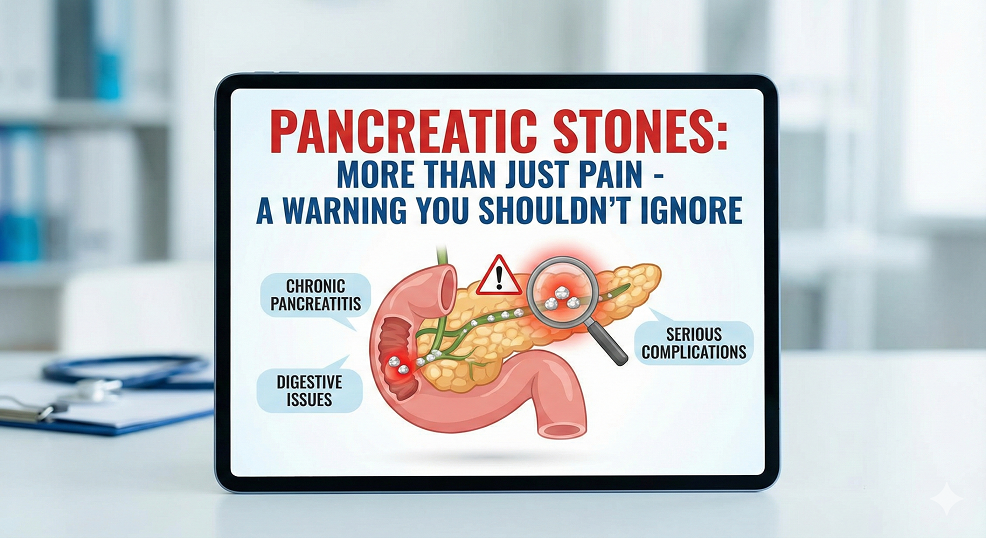
Abdominal pain is a common complaint, and many people assume it’s due to acidity, gastritis, or gallstones. But in some cases, severe and persistent abdominal pain may be caused by pancreatic stones — a condition associated with chronic pancreatitis.
Pancreatic stones may start small, but if ignored, they can lead to irreversible damage, poor digestion, long-term pain, and in some cases, increase the risk of pancreatic cancer over time.
Awareness and early treatment can prevent complications and dramatically improve quality of life.
What Are Pancreatic Stones?
Pancreatic stones are hardened deposits of calcium that form inside the pancreatic ducts and pancreatic tissue. Over time, these stones block the flow of digestive enzymes, causing inflammation and pressure inside the gland.
Why Pancreatic Stones Are Serious
Pancreatic stones are not just another digestive issue — they can lead to long-term damage. If untreated, they may cause:
- Severe abdominal pain
- Repeated hospital visits for pancreatitis
- Pancreatic duct blockage
- Permanent damage to pancreatic tissue
- Malabsorption and nutritional deficiencies
- Diabetes
- Higher lifetime risk of pancreatic cancer
Chronic inflammation of the pancreas is one of the known risk factors for pancreatic malignancy — especially when the disease remains untreated for years.
Common Symptoms to Watch For
If you experience any of these symptoms repeatedly, it’s time to seek medical evaluation:
- Sharp or persistent pain in the upper abdomen or back
- Nausea and vomiting
- Weight loss without trying
- Fatty, oily stools (steatorrhea)
- Frequent digestive discomfort or bloating
- Signs of diabetes in later stages
Pain from pancreatic stones may come in episodes at first but over time, it can become continuous and disabling.
Who Is at Risk?
Pancreatic stones are more likely to occur in people with:
- Chronic pancreatitis
- Alcohol overuse
- Smoking habit
- Family history of pancreatitis
- Genetic conditions
- High triglyceride levels
In some regions, especially South India, tropical pancreatitis is a known cause leading to early-onset pancreatic stones in younger patients.
How Are Pancreatic Stones Diagnosed?
Doctors may use:
- Ultrasound
- CT scan
- MRI/MRCP
- Endoscopic ultrasound
These tests help identify stones and assess damage to the pancreas.
🛠 Treatment Options
The goal is to relieve pain, restore pancreatic drainage, and prevent long-term complications.
Depending on severity, treatment may include:
- Medications and enzyme supplements
- Endoscopic stone removal (ERCP)
- Surgery, such as:
- Frey’s procedure
- Pancreaticojejunostomy
- Drainage or resection procedures
In larger trial it was shown Surgery has better results than ERCP.
Minimally invasive surgery (laparoscopic/robotic) offers quicker recovery in suitable patients.
Can It Be Prevented?
Lifestyle plays a major role. Steps to reduce risk include:
- Avoid alcohol and smoking
- Maintain healthy body weight
- Manage high triglycerides
- Seek medical care early for abdominal pain episodes
Key Takeaway
Pancreatic stones are not something to ignore. They can cause irreversible damage, constant pain, diabetes, and even increase the risk of pancreatic cancer if left untreated for a long time.
If your abdominal pain is persistent and unexplained don’t wait. Early diagnosis and treatment can protect your pancreas and help you live pain-free.