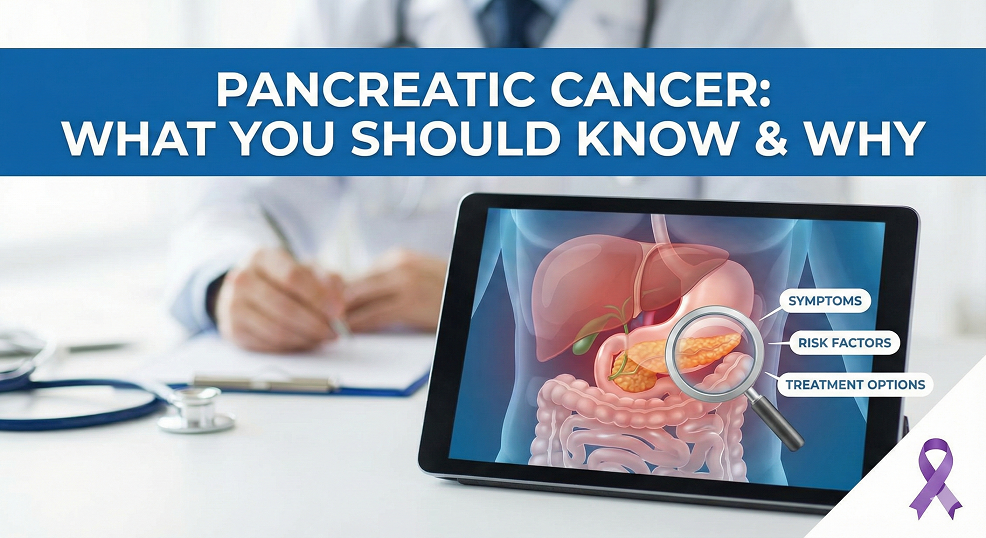
Gallbladder cancer is one of the most aggressive cancers affecting the digestive system, mostly seen along the Ganges region in eastern and northern India. Because it often shows very few symptoms in the early stage, many people are diagnosed only when the disease has already advanced or stage IV disease.
Why Is Gallbladder Cancer So Aggressive?
Unlike many other cancers, gallbladder cancer often:
- Spreads quickly to nearby tissues like the liver
- Invades lymph nodes early
- Remains silent until it becomes advanced
- Is often found accidentally during gallbladder surgery for stones or infection
The gallbladder’s thin wall also allows cancer cells to spread easily, making early detection critical.
Symptoms to Watch For
Early gallbladder cancer may cause no noticeable symptoms. When symptoms do appear, they can mimic common gallbladder conditions such as gallstones or cholecystitis.
Symptoms that should not be ignored include:
- Persistent right upper abdominal pain
- Recurrent indigestion or bloating
- Unexplained nausea or vomiting when invade stomach or duodenum
- Jaundice (yellowing of eyes or skin/Dark urine and pale stools)
- Weight loss without exercise
- Loss of appetite
Who Is at Higher Risk?
Some people have a greater chance of developing gallbladder cancer, including those with:
Long-standing gallstones (most common link)
Porcelain gallbladder (calcified gallbladder wall)
Large gallbladder polyps (≥1 cm)
Chronic gallbladder inflammation
Repeated gallbladder infections
Tobacco use
Family history of gallbladder cancer
Women are statistically affected more often than men, especially in certain regions like India, Chile, Japan, and Eastern Europe.
🔍 How Is It Diagnosed?
Diagnosis may involve:
Ultrasound of the abdomen
CT scan or MRI
PET scan (in selected cases)
Blood tests and tumor markers
Endoscopic procedures
Biopsy (if needed)
Sometimes gallbladder cancer is discovered only after the gallbladder is removed during routine surgery for stones.
🧑⚕️ Treatment Options
Treatment depends on stage and spread of the disease. Options may include:
Surgical resection, which may involve removing:
The gallbladder
Part of the liver
Surrounding lymph nodes
Chemotherapy
Targeted therapy or immunotherapy (in specific cases)
Palliative care for symptom relief in advanced disease
Early-stage tumors treated with surgery offer the best chance for cure.
The Importance of Early Awareness
While gallbladder cancer is aggressive, early detection can drastically improve survival.
Key messages to remember:
- Do not ignore persistent gallbladder symptoms.
- Seek medical advice if gallstone symptoms recur or worsen.
- High-risk patients may require regular follow-up.